
Florida's Homestead Tax Exemption Just Changed. What It Means for Homeowners and Those Considering a Move to South Florida
Kimberly Small November 10, 2026
Kimberly Small November 10, 2026
Florida homeowners just received some significant news. On November 3, voters approved Amendment 3, a constitutional amendment that substantially expands the state's homestead property tax exemption.
The measure passed with approximately 62% of the vote, marking one of the most significant changes to Florida's property tax structure in recent years.
For existing homeowners, it could mean meaningful savings. For those considering relocating to Florida, however, there is an important timing consideration that could make the difference of several thousand dollars annually.
Here's what you need to know.
Under the previous system, qualifying Florida homeowners received a homestead exemption of up to approximately $50,000, with the additional exemption applying only to non-school property taxes.
Under Amendment 3, the exemption for non-school property taxes increases substantially:
The existing $25,000 exemption applicable to school taxes remains unchanged.
It's important to understand that this is an exemption on assessed property value, not a direct reduction in the tax rate or a $250,000 deduction from the homeowner's actual tax bill.
Nevertheless, the potential savings are considerable.
For homeowners who already qualify for Florida homestead and meet the residency requirements, the expanded exemption will begin applying to the 2027 tax year.
Depending on the property's assessed value, existing exemptions, and local tax rates, homeowners could see meaningful reductions in their annual property tax bills.
The actual savings will vary by property and taxing jurisdiction. Homeowners with substantial existing Save Our Homes assessment benefits may experience different savings than someone who recently purchased a home at or near market value.
One important distinction: Florida's existing Save Our Homes protection remains in place. Homesteaded properties will continue to benefit from the annual assessment increase limitation of 3% or the change in CPI, whichever is lower.
This is where Amendment 3 becomes particularly interesting for prospective buyers.
The amendment establishes different eligibility provisions depending on when someone becomes a Florida resident.
For those who establish Florida residency by December 31, 2026:
They can qualify for the expanded homestead exemption when they purchase an eligible Florida residence and establish homestead, even if that purchase happens after 2026.
For those who establish Florida residency on or after January 1, 2027:
They will initially receive the smaller exemption, currently established at $50,000 for non-school property taxes, adjusted for inflation beginning in 2028. They must maintain a Florida homestead exemption for four years before becoming eligible for the expanded exemption beginning in their fifth year.
This is a significant distinction for anyone considering a relocation to South Florida.
If Florida is already on your radar, establishing bona fide Florida residency by December 31, 2026, could have meaningful long-term tax implications. Simply purchasing an investment property or second home does not establish eligibility for homestead.
Amendment 3 also changes the assessment limitations for non-homestead properties.
Currently, qualifying non-homestead properties are generally subject to a 10% annual cap on increases in assessed value for non-school property taxes.
Beginning with the 2027 tax year, that limitation decreases to 5%.
This applies to qualifying properties such as rental homes, second residences, and commercial real estate.
For investors and owners of multiple properties, this is another important consideration. However, the cap applies to assessed value for non-school taxes, not the actual tax rate, and school taxes remain subject to different assessment rules.
While the expanded exemption offers tax relief to eligible homeowners, it also reduces the property tax revenue available to local governments.
Counties and municipalities rely on property taxes to fund essential services, including public safety, fire and rescue, infrastructure, parks, and other community services.
State economic estimates have projected substantial reductions in local government revenue as the new exemption is phased in.
How individual municipalities respond remains to be seen. Future budget decisions, potential adjustments to millage rates, and changes in local spending will all play a role in determining the broader impact.
For homeowners, the important point is that a lower taxable assessment does not necessarily guarantee an equivalent reduction in the overall cost of living.
Florida's tax structure has long been an important consideration for buyers relocating from high-tax states such as New York, New Jersey, and California.
The expanded homestead exemption adds another financial consideration to the decision to purchase a primary residence here.
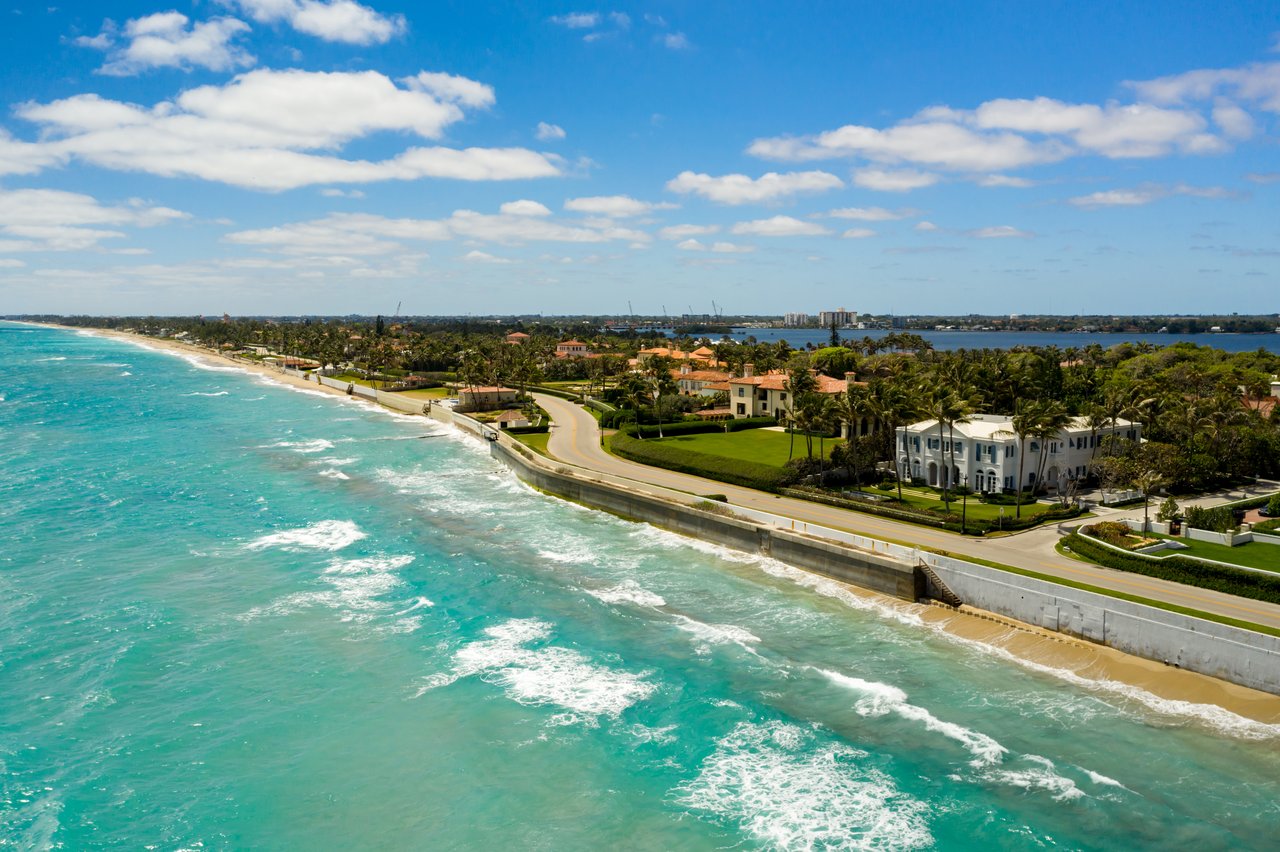
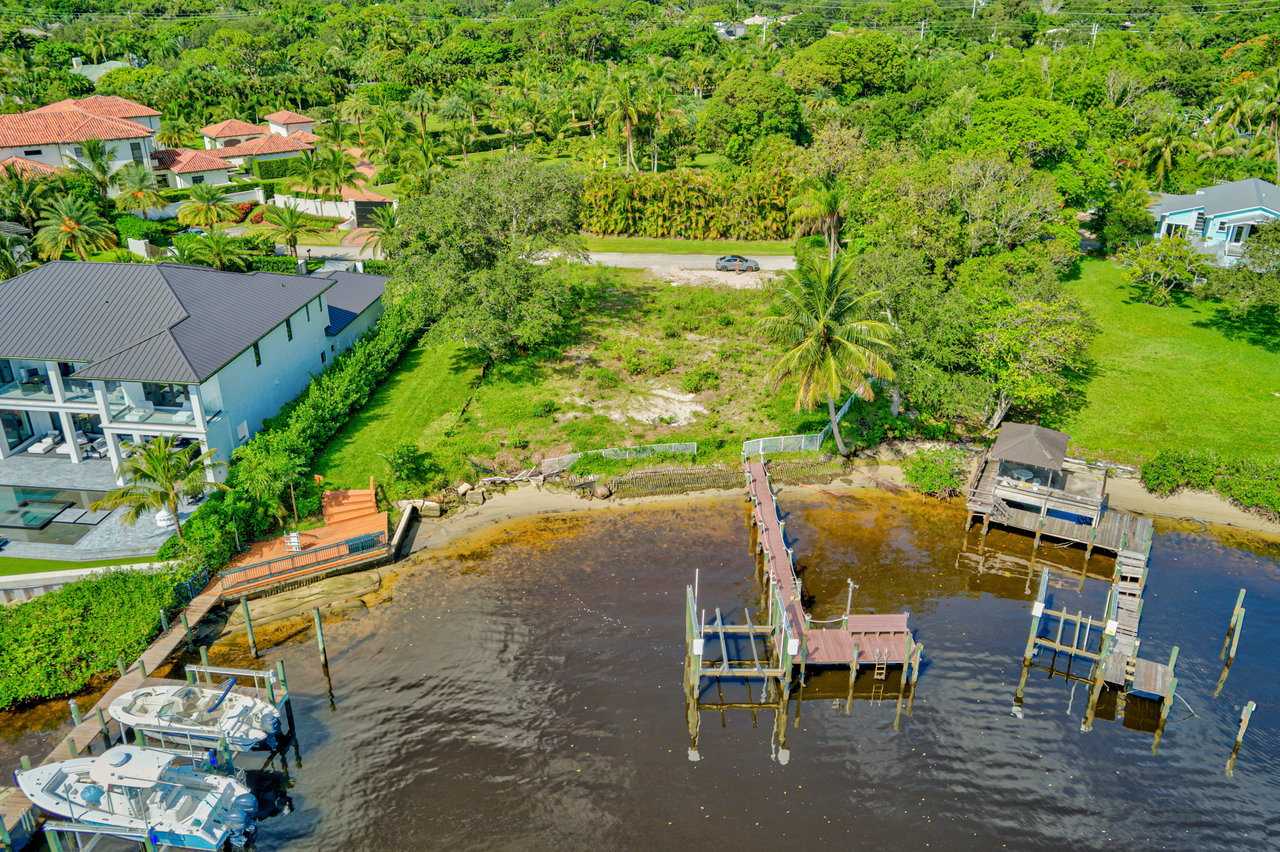
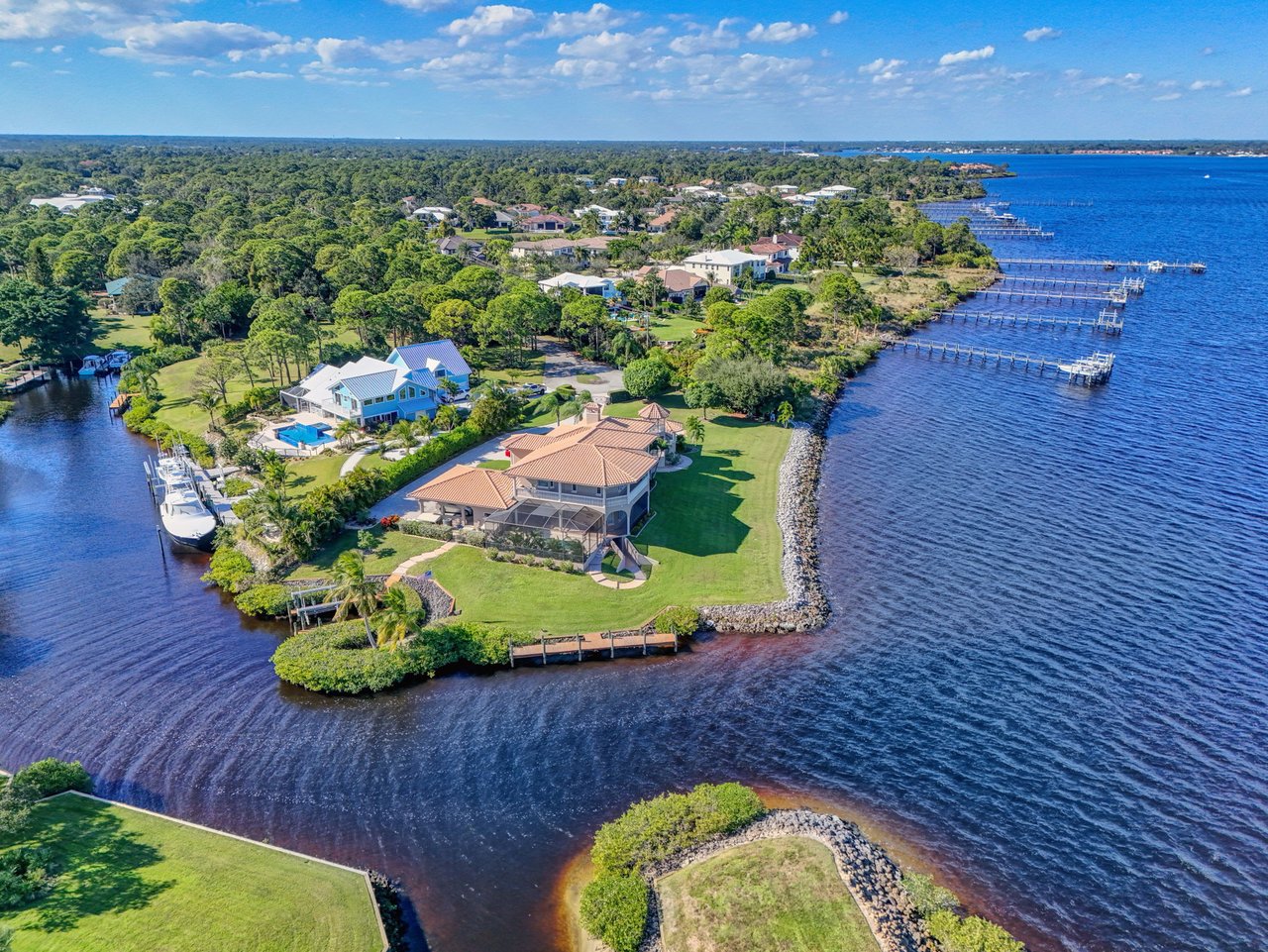
For South Florida, where property values can be substantial, the change is particularly relevant. Whether you're considering a waterfront estate in Palm Beach, a luxury residence in Jupiter, or a home in Fort Lauderdale, understanding the tax implications should be part of your purchasing strategy.
That said, property taxes are only one component of homeownership. Insurance, maintenance, HOA fees, financing costs, and the specific property's location all deserve equal attention.
And for anyone considering purchasing before the end of 2026, understanding the residency provisions is especially important.
Amendment 3 represents a significant change to Florida's property tax structure, creating new opportunities for qualifying homeowners while introducing important considerations for future residents and real estate investors.
For current homeowners, it offers the potential for meaningful tax savings. For those considering a move to Florida, the December 31, 2026 residency provision deserves attention. And for property investors, the reduction in the non-homestead assessment cap is another development worth understanding.
South Florida continues to attract buyers for many reasons, and the financial considerations of owning property here are an important part of that equation.
Considering buying or selling in South Florida?
I can help you navigate the local market, understand the financial considerations of a purchase, and make an informed decision about your next move.
Stay up to date on the latest real estate trends.





Pompano Beach Real Estate
From the very beginning, I prioritize establishing a collaborative environment, ensuring that my client understands their indispensable role in the home sale process. As a real estate agent, I go beyond the usual responsibilities to deliver extraordinary value and exceptional care to both sellers and buyers. Recognizing the significance of this transaction, often the largest one in people’s lives, I handle the relationship with utmost caution, relying on concrete data and factual information. Throughout the entire journey, I continuously assess cause and effect, enabling a smooth and seamless transaction for my clients.
Connect With Kimberly To Learn More

2000 PGA Blvd, Ste 2100 Palm Beach Gardens, FL 33408